 Rachel Lincoln Sarnoff
My children devoured the American Girl Historical Characters books, which explore critical moments in U.S. history from the 1700s through the 20th century. Published by Mattel, protagonists are physically represented by dolls with historically accurate clothing, accessories, furniture, and even pets. Since 1986, kids have been obsessed with them. In my family, dolls were passed down from cousin to sibling to friend, but the rule was you had to read the entire six-book set before even considering putting a doll on your birthday list.
My youngest daughter’s favorite was Kaya, a Native American girl living in 1764 who investigates colonialism and cultural erasure as her Nez Perce tribe is threatened by settlers. My middle daughter loved Josefina, who grapples with a caste system that indigenous and mixed-heritage people in 1824 New Mexico dealt with. The three of us spent many nights huddled up in my bed, reading the books together.
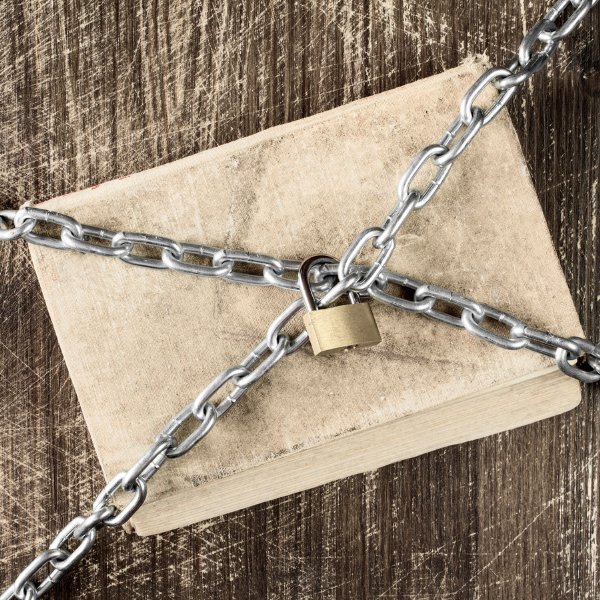
These stories reveal the systemic injustices that have existed since America’s inception—a truth that is now part of the so-called “woke ideology” that the current administration is trying to erase. According to PEN America, a nonprofit that has been fighting to protect freedom of expression since 1922, reports that in the last school year, nearly 7,000 books were banned in 87 districts across 23 states; since 2021, PEN America has recorded nearly 23,000 book bans, typically targeting those that discuss sexual and gender identity, race and racism, and social justice.
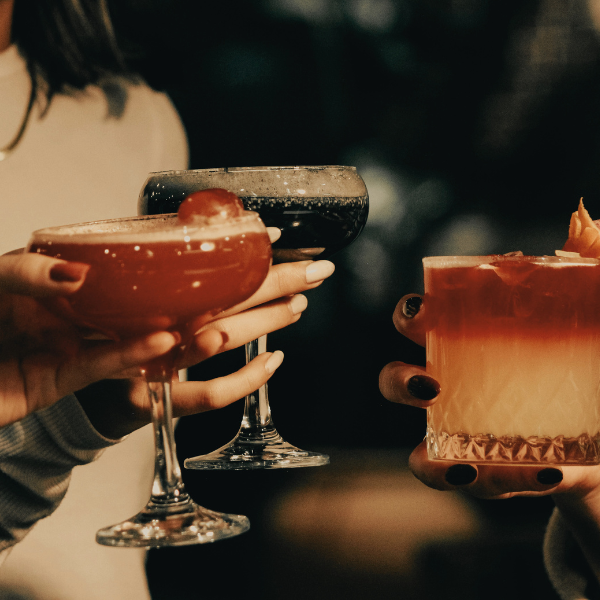 Casting my personal demons aside, I focused on the positives: Four fabulous days of socializing, informative workshops and writing sessions, plus Writers’ BINGO — who doesn’t love BINGO? (Nothing nefarious about that, right? Maybe I’m getting the knack of this!) The whole adventure kicked off with a first-timers icebreaker session, followed by a cocktail and hors d’oeuvres reception, and ended with an intimate grouping of more than a dozen published authors reading their work. And graciously shaking hands and signing books. Eyes peeled, just in case [x].
 If you’ve ever read Samantha Verant’s
  Linda K. Sienkiewicz
 Many novelists reach a moment when their manuscript feels like a marathon without a finish line. The middle sags. The characters stall. Or life interrupts and the once-exciting story now feels like a long, uphill climb.
  Turn your book into a movie.
 Is it possible for “submission” and “empowerment” to sit comfortably together when speaking about traditional publishing? I say yes. Here’s how to set your attitude to survive this rite of passage with your spirit intact.
 I’ve always been impressed by the author who can sweep the reader away with a magical opening sentence. Some may believe the first sentence is nothing more than the first of many other sentences. But writers worry a great deal about their first lines, as they should: A well-written opening can launch the reader out of port into the open sea of story, eager for adventure.
 I felt completely lost when it was time to revise my first manuscript. There were countless books, articles, and classes available on the art of drafting a story, but few seemed to focus on revision.
  Learning how you write a book is like finding your way in a pitch black room full of furniture. You can learn by barking your shins, but there are less painful ways.
  Janet Roberts
 Monica Cox
 You’ve been told to build your platform. You create a website and start sending out newsletters. You announce your upcoming book; you share the launch, the win.
 If you’re an author looking for a new way to market your books, you may want to consider Pinterest. The social media platform currently has 553 million active users, mostly women between the ages of 18 and 34. Unlike traditional social media platforms such as Instagram and Facebook, Pinterest functions more like a visual search engine, a place where people go to find solutions and inspiration.
 Your book won’t sell itself no matter how good it is. We spend years writing and rewriting, agonizing over character development, plot, and just the right turn of phrase. Eventually, we publish and then what? Sit back and wait for the world to anoint our book baby as The Great American Novel?
 Beta readers are an important part of a writer’s revision process. After we draft and revise a manuscript, our characters and story worlds become a part of us. As a result, it can be difficult to recognize when important elements haven’t made it onto the page for the reader. Here is where a beta reader—an early reader acting as a stand-in for your eventual target reader—can help.
 This is a question I always pose to my creative writing students. Many are earnest, excited, anxious adults who hope to write a novel. They arrive in the classroom with crisp blank notebooks and their favorite pen (as instructed), but what they really bring are their dreams. They set them down gently in the scarred chairs of the high school geography classroom where we meet.
 Back in the days of dial-up Internet, and long before the rise of social media, there was blogging. For writers especially, blogging gave us an outlet, an opportunity to sharpen our skills, to tell stories, and to hone our voices. We wrote about whatever meant something to us. And we blogged to connect with readers and each other long before the world became overconnected.